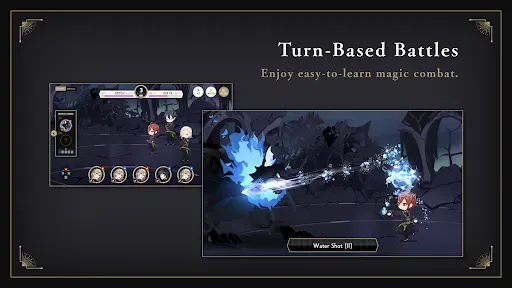
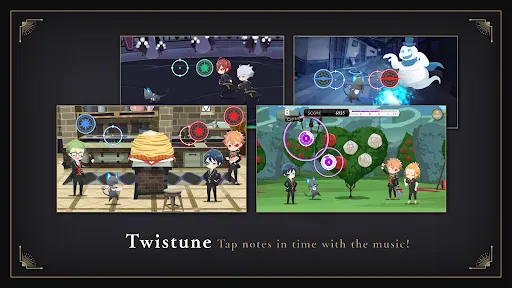
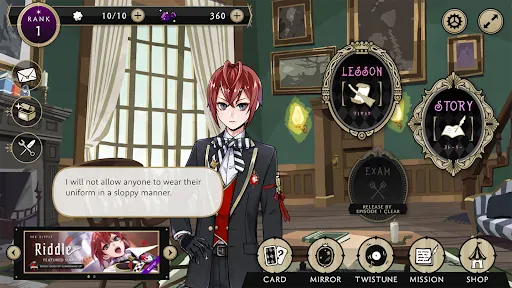
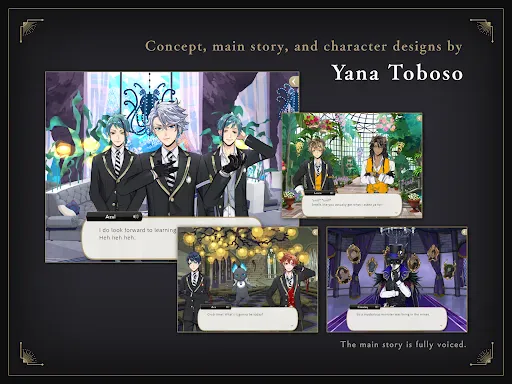
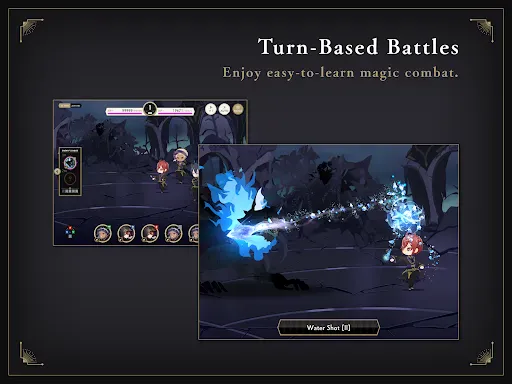
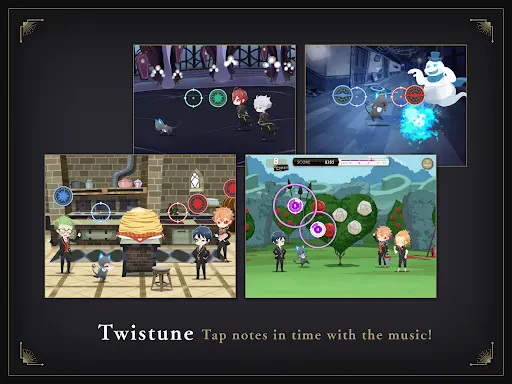
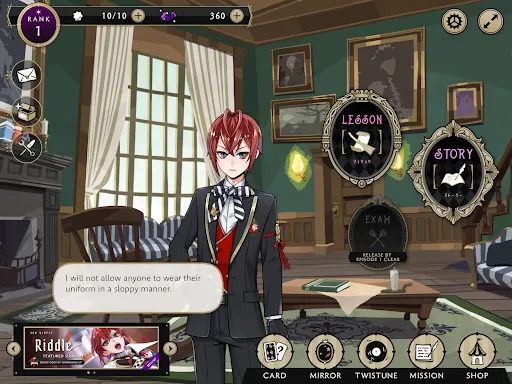
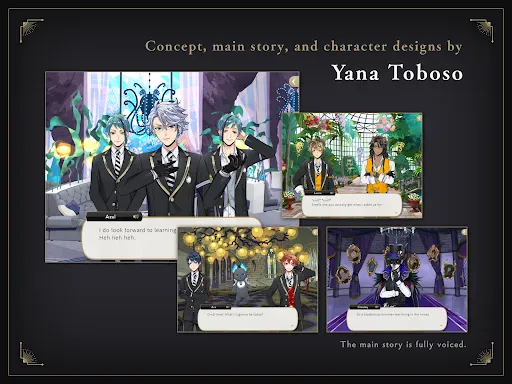
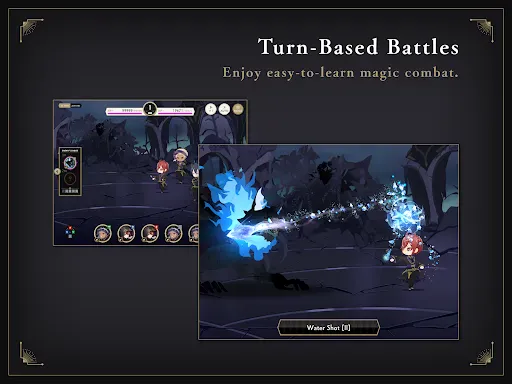
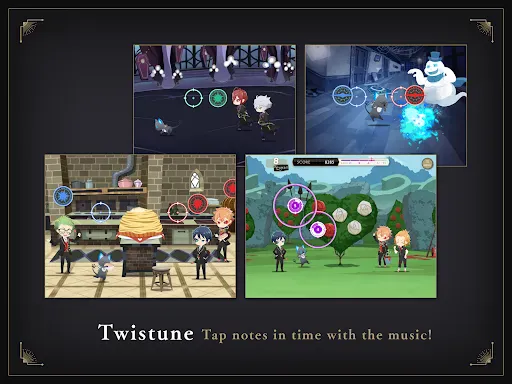
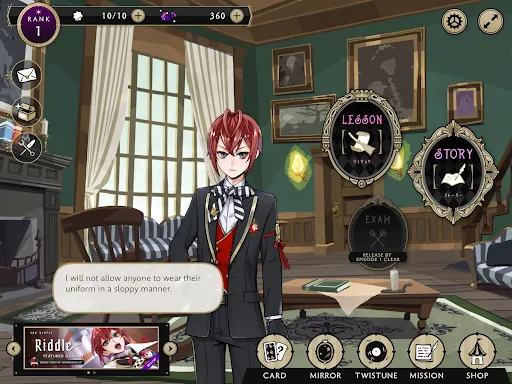
The purpose of Disney Twisted-Wonderland is to make exploration, discovery, and story-driven objectives easier to access from a mobile device. It should feel most relevant to players who enjoy progressing through an unfolding experience, although new users can take a moment to learn the first screen and ignore options that are not yet relevant. The available store description provides enough detail to discuss the listed experience without inventing extra tools or screens. Audio is central to at least one advertised function, covering listening, playback, recording, or sound-based interaction. New users do not need to configure every option immediately; the main workflow is the best place to begin. A short real-world trial of Disney Twisted-Wonderland should show whether exploration, discovery, and story-driven objectives fits the user’s habits and expectations. The appeal is practical: open it with a purpose, finish a useful action, and come back only when it is needed again.
Key Features
This is not a case where more menus automatically mean more value; the better features are the ones people can find again without thinking. In this case, the important question is how well the app supports exploration, discovery, and story-driven objectives without making routine steps feel repetitive. People with a specific must-have feature should check the current listing, but casual users can learn a great deal simply by trying the core workflow.
- Navigation that can be learned gradually instead of demanding every setting at once.
- A mobile-first route into exploration, discovery, and story-driven objectives, without requiring a desktop setup.
- The description connects the app with understanding words or communicating across languages.
- The experience can fit a quick check or a longer session, depending on the user’s goal.
- A search function may shorten the route to information in a larger collection.
Pros & Cons
Disney Twisted-Wonderland makes the best case for itself when exploration, discovery, and story-driven objectives is already part of the user’s day rather than a one-time curiosity. A quick trial usually reveals whether the interface feels natural, whether advertising gets in the way, and whether the useful parts sit behind a payment or sign-in.
- Pros: The central purpose is easy to describe, which helps users decide quickly whether the app is relevant.
- Pros: Version pages provide a place to review updates, compatibility, and recent feedback.
- Pros: A first session does not need to include every feature; users can explore the interface in manageable steps.
- Pros: The portable format lets users return to exploration, discovery, and story-driven objectives whenever a short opportunity appears.
- Cons: Loading time and stability may depend on the device and the quality of the connection.
- Cons: The interface can change between versions, so older instructions may no longer match the current screen.
- Cons: Some options may depend on an account, internet connection, subscription, advertising, or an in-app purchase.
Functions
A typical session starts with a goal, moves through the relevant screen, and ends when the result has been checked or saved. The main controls are expected to support exploration, discovery, and story-driven objectives, while supporting screens handle preferences and account details. Preferences can wait until the basic workflow feels familiar; changing everything on the first visit rarely improves the experience.
- Look up one word or sentence first and compare alternative meanings when the app provides them.
- Use the opening screen to identify the shortest route to the task you want to complete.
- Choose the control that clearly connects to exploration, discovery, and story-driven objectives, then read any instructions shown on the next screen.
- Open the audio area, choose the intended item, and adjust volume or playback controls before listening for a long session.
- Try both a full name and a shorter keyword when the first search does not find the expected result.
How to Use
Use the verified Google Play link on Android or the verified Apple App Store link on an iPhone or iPad. The steps below cover installation and the first launch without assuming that the app contains buttons or features that are not shown in its listing. Follow the labels displayed on your own device, because store screens and permission prompts can differ by operating-system version.
- Step 1: Choose the store that matches your device, then open the recorded listing for Disney Twisted-Wonderland.
- Step 2: Confirm that the app name, icon, and developer shown on the listing match Disney Twisted-Wonderland and Aniplex Inc.. Also read the operating-system requirement and make sure the device is supported.
- Step 3: Read the store description, recent update information, price details, and privacy information that are actually displayed. If a detail is absent, treat it as unknown instead of assuming it is included.
- Step 4: Tap the store’s Install or Get control and wait until the verified store finishes downloading and installing Disney Twisted-Wonderland.
- Step 5: Open Disney Twisted-Wonderland from the device’s app list or home screen. Read the first screen before creating an account, entering personal information, or changing any settings.
- Step 6: Consider each permission when it appears. Allow access only when the current on-screen task clearly needs it, and decline or postpone unrelated requests.
- Step 7: Begin with one feature described in the store listing and follow the labels presented inside the app. Complete a small test before using important files, payments, or private data.
- Step 8: Return to the same verified store for updates. Review any new permission request before accepting it, especially after a major update.