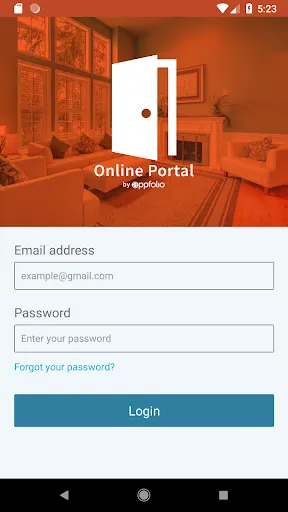
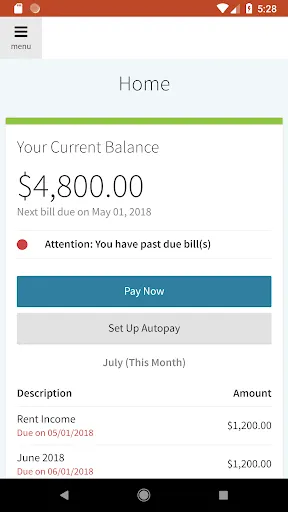
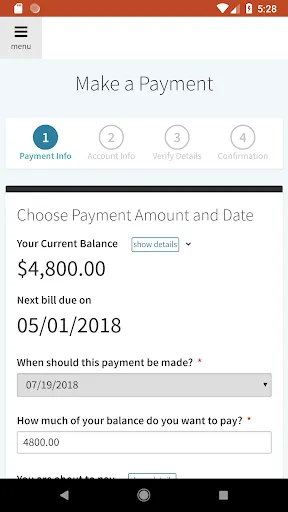
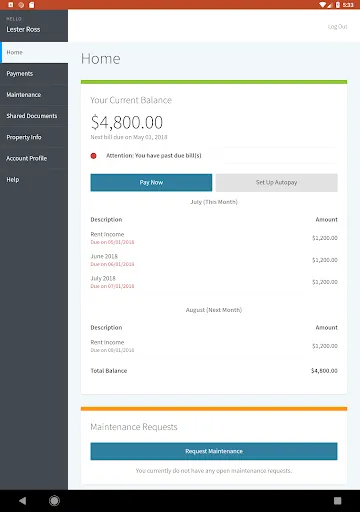
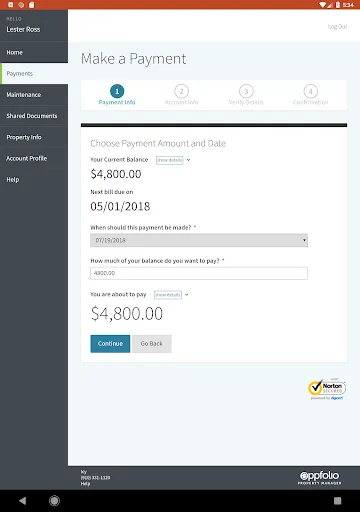
Online Portal By Appfolio appears in the current data as a mobile app, but the record does not include a dependable store description. Store availability is not confirmed in the current record, which makes the app name, icon, developer, and file source especially important to check. A missing developer field should be treated as a reason to review the download page carefully, not as permission to install an unverified file. The missing description means its exact tools, content, screens, account requirements, and payment options cannot be confirmed from the material available here. This article does not turn the title into an assumed feature list. A reader can still use the recorded name, icon, category, developer information, and store status to identify the correct listing. Once a verified listing is available, its current description and screenshots should be used to decide whether the app matches the intended need.
Key Features
The available data does not support a specific feature list, so it would be misleading to turn the app name into a set of assumed capabilities. Screenshots and the current store description should supply the missing detail if a verified listing becomes available. Users can revisit the feature question after locating a verified, current listing for the correct app.
- The app name and recorded category can help with identification, but they do not prove that a particular function is included.
- If the official listing does not mention a needed function, do not assume that the installed app will provide it.
- Store screenshots can show the current interface, while update notes can reveal whether the layout or purpose has changed.
- Publisher identity, package information, supported devices, and permissions are more dependable than guesses based on the title.
- A verified store description should be read before installation because the present record does not provide a confirmed feature breakdown.
Pros & Cons
The limited record still helps with identification, but it does not support a confident judgment about the installed experience. A missing store description prevents a fair comparison of features, ease of use, and limitations.
- Pros: The missing developer field is stated openly instead of being filled with an unverified name.
- Pros: The recorded name and category provide a starting point for locating the correct listing.
- Pros: Unconfirmed functions are omitted, reducing the risk of presenting assumptions as product facts.
- Pros: The absence of a verified store route is made clear before installation is discussed.
- Cons: The current record does not explain the app’s actual tools, screens, or content.
- Cons: Users need a verified current listing before they can compare the app meaningfully with alternatives.
- Cons: Ease of use, advertising, purchases, account requirements, and offline behavior cannot be assessed from the available data.
Functions
The available listing data is too limited to describe exact functions or button sequences accurately. Users can identify the central action from the installed app itself and ignore any instruction that does not match the screen. Permission requests should be considered only when their purpose is clear from the task being performed.
- Read the first screen and identify the action that the installed app itself presents most clearly.
- Try one reversible action before entering personal information, making a payment, or changing important settings.
- Use the help, support, or store information only when those options are actually present; no unlisted function is assumed here.
- Review each permission in context and decline access that has no clear connection to the action being attempted.
- Follow the visible labels one screen at a time; skip any instruction that does not match the interface on the device.
How to Use
No verified store link is recorded in the current data, so do not install the app until the source and developer can be confirmed. The steps below cover installation and the first launch without assuming that the app contains buttons or features that are not shown in its listing. Follow the labels displayed on your own device, because store screens and permission prompts can differ by operating-system version.
- Step 1: Stop before downloading. Search for a trustworthy listing and confirm that it belongs to Online Portal By Appfolio; skip installation if the source cannot be verified.
- Step 2: Confirm that the app name and icon match Online Portal By Appfolio. Because the developer is not recorded in the current data, do not guess it; use the listing itself to verify who publishes the app. Also read the operating-system requirement and make sure the device is supported.
- Step 3: Read the store description, recent update information, price details, and privacy information that are actually displayed. If a detail is absent, treat it as unknown instead of assuming it is included.
- Step 4: Install only after a verified official source has been found. Do not bypass browser or device security warnings to force an unconfirmed download.
- Step 5: Open Online Portal By Appfolio from the device’s app list or home screen. Read the first screen before creating an account, entering personal information, or changing any settings.
- Step 6: Consider each permission when it appears. Allow access only when the current on-screen task clearly needs it, and decline or postpone unrelated requests.
- Step 7: Follow only the controls and instructions visible inside the installed app. No specific first task is stated in the available data, so avoid assuming that an unlisted function is present.
- Step 8: Keep a record of the verified source used for installation and use that same trusted source for updates. Remove the app if its identity or update source becomes unclear.